The “Forever Pan”: Finding Vintage Cast Iron Skillets
Go to a camping store or a supermarket today, buy a cast iron skillet, and run your fingers across the bottom. It feels bumpy, rough, and like sandpaper.
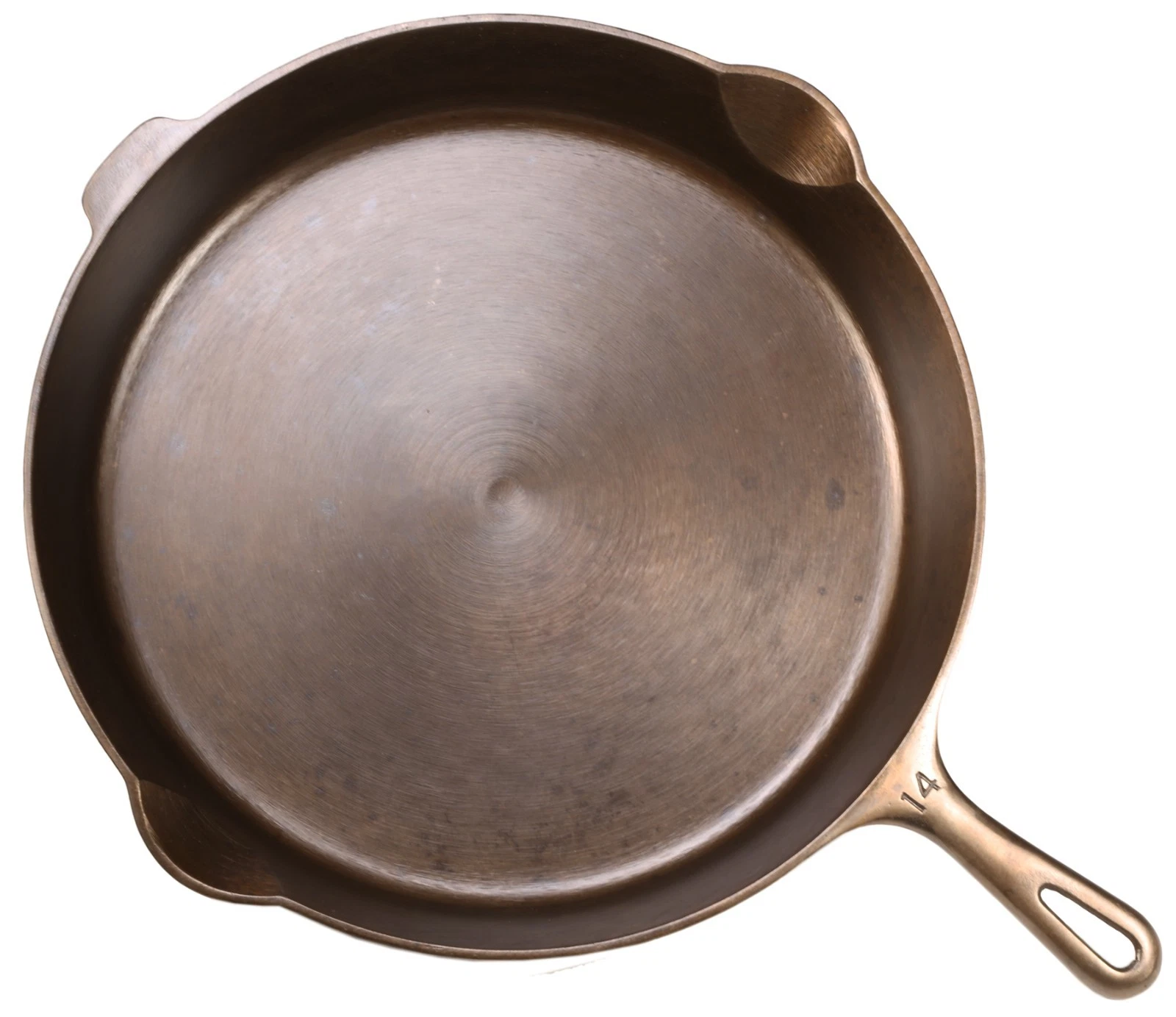
Now, find a vintage skillet from the 1940s. It feels smooth as glass.
This isn’t just nostalgia—it’s manufacturing history. Modern cast iron is poured into sand molds and left rough to save money. Vintage cast iron (specifically from brands like Griswold and Wagner Ware) was stone-ground by hand to create a perfectly smooth, non-stick surface.
You cannot buy this quality in stores anymore. But you can find it on eBay.
1. The “Big Two” Brands to Hunt For
There are hundreds of vintage brands, but if you want a guaranteed winner, look for these two:
Griswold (The Gold Standard)
Made in Erie, Pennsylvania.
The Logo: Look for a large cross logo inside a circle on the bottom.
Why buy it: These are incredibly lightweight compared to modern pans. A vintage Griswold #8 is much easier on your wrist than a modern Lodge skillet.
Wagner Ware
Made in Sidney, Ohio.
The Logo: “Wagner Ware Sidney -O-“.
Value: These are often cheaper than Griswold but cook just as well. They are the “working man’s” vintage pan.
2. The “Wobble” Test (Critical for Glass Stoves)
If you cook on gas, a slightly warped pan is fine. If you cook on a glass/induction cooktop, you need a pan that sits flat.
The Risk: Old pans were sometimes overheated, causing the bottom to bow out. This makes them “spin” on a flat surface.
The Fix: Only buy from eBay sellers who explicitly state: “Sits flat, no wobble, no spin.” If they don’t say it, ask them before bidding!
3. Don’t Fear the Rust
You might see a vintage pan selling for $20 because it is covered in orange rust. Buy it!
Cast iron is indestructible. Rust is just on the surface.
Restoration: A bath in a 50/50 mix of vinegar and water will strip the rust in an hour. Scrub it, re-season it with oil, and you have a brand new $100 pan that you bought for $20.
4. The “Cracked” Warning
There is one thing you cannot fix: a crack.
Cracks usually happen near the handle.
The Sound Test: Ask the seller if the pan “rings” when tapped. A non-cracked pan sings like a bell. A cracked pan makes a dull “thud.”
Conclusion: The Last Pan You Will Ever Buy
A vintage Griswold isn’t just a frying pan; it is an heirloom. It was made 80 years ago, and if you treat it right, your great-grandchildren will be using it 80 years from now.
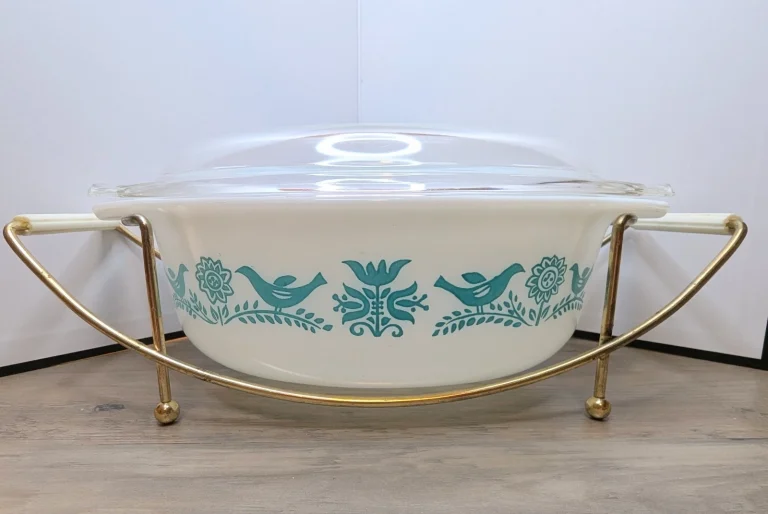
Related Reading: You seem to appreciate things that last. If you are into vintage durability, don’t miss our guide on Vintage Pyrex & CorningWare to find the perfect casserole dishes to match your new skillet.